Google Productivity
2020 was a pivotal year for the enterprise work landscape. The COVID-19 pandemic profoundly disrupted established work practices worldwide, forcing businesses and employees to adapt to new ways of operating. In response to these challenges, Google established a new team dedicated to measuring productivity and implementing practices to ensure their workforce could operate with minimal disruption.
The problem
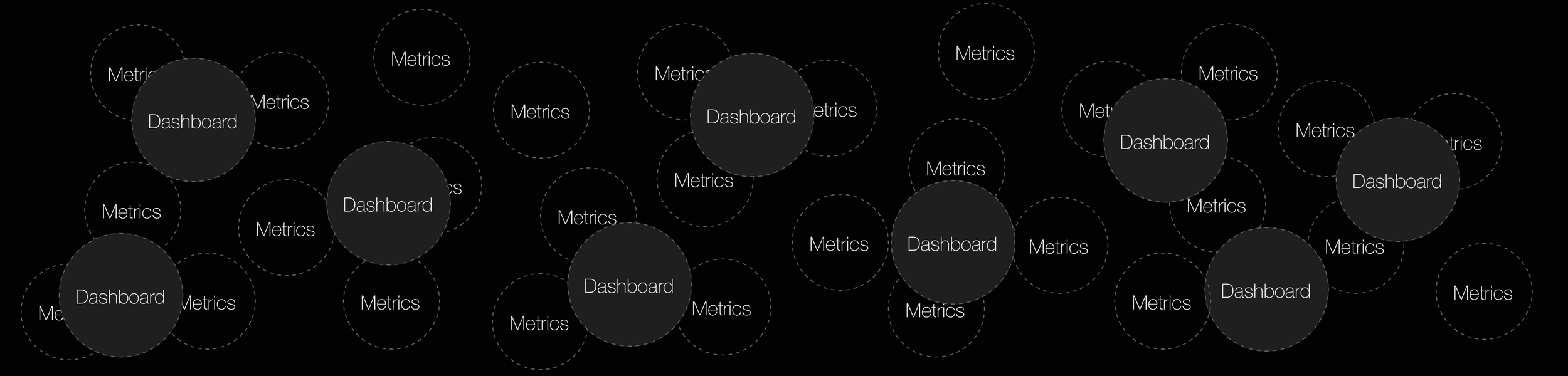
Across Google, teams were using various dashboards and hundreds of different metrics to measure a team's velocity. In most cases, teams were also measuring their developers' journeys in different ways.
The opportunity
How might we standardize the way Google teams measure velocity and developer journeys to gain a more consistent and accurate understanding of progress and performance?
The obstacles
Standardizing these measurements will be challenging due to potential resistance to change, difficulty achieving consensus on the "right" metrics, ensuring accurate data collection across diverse teams, and balancing standardization with the flexibility teams need.
My role
Initially, I was the sole lead product designer, responsible for the entire design process. However, as the project grew in scope and complexity, I advocated for expanding the team. This resulted in the successful onboarding of four additional designers, two content strategists, and two user researchers, allowing us to tackle the project's challenges more effectively and deliver a truly comprehensive solution.
The research
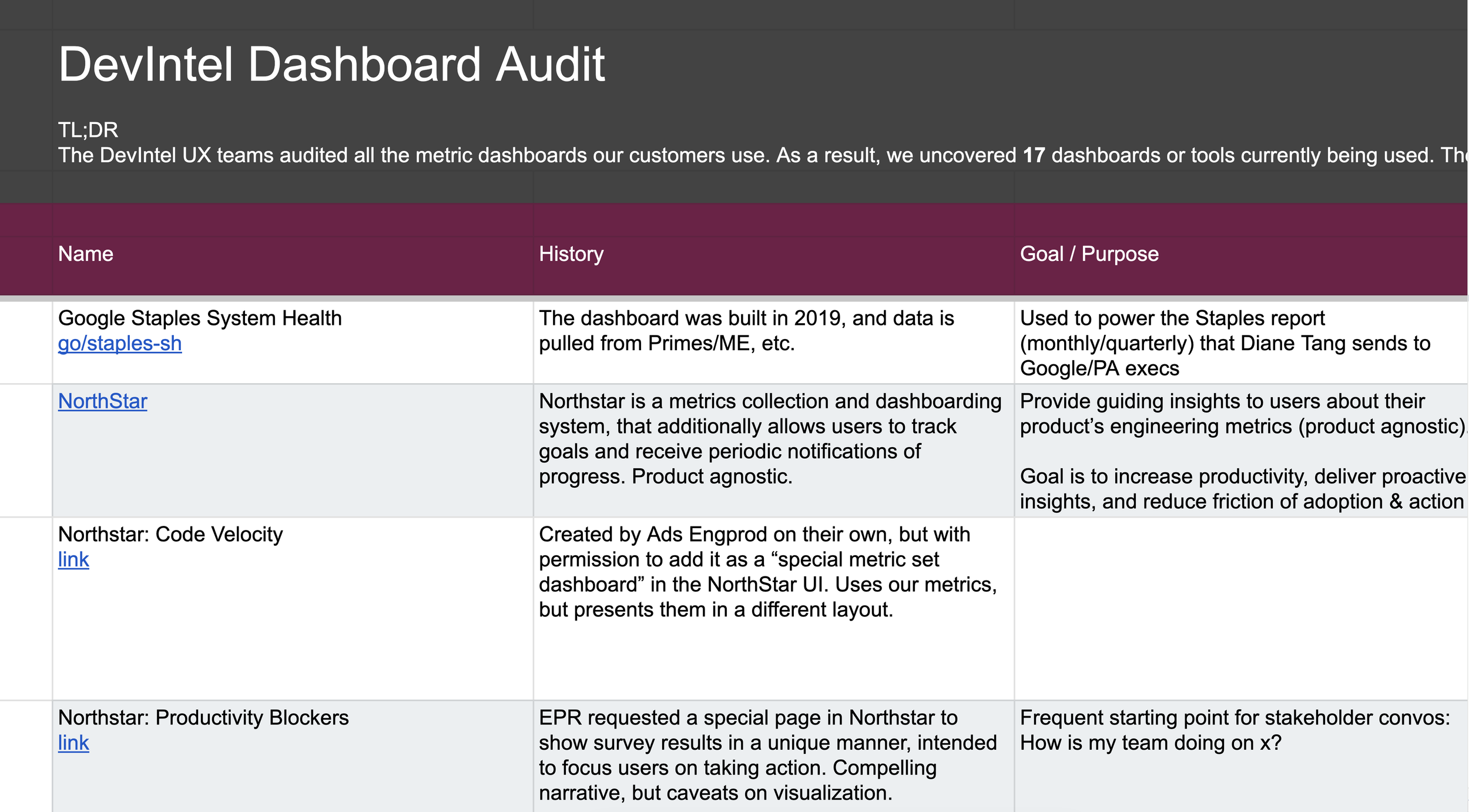
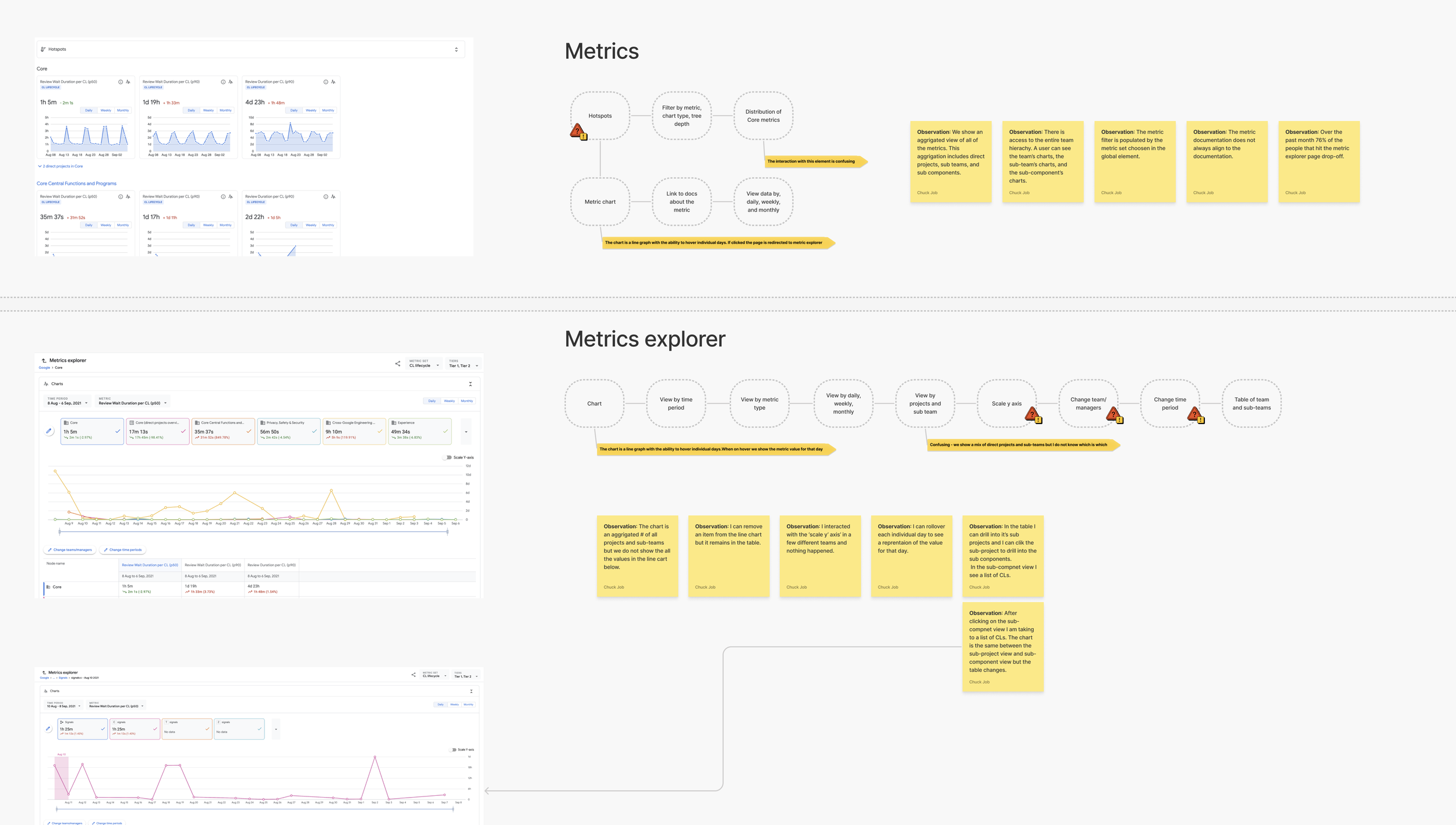
To understand how teams across Google were measuring productivity and velocity, I conducted an audit of all dashboards and their associated metrics. To ensure alignment, I conducted follow-up sessions with dashboard owners to clarify their context and usage, documenting any disagreements, discussions, or unresolved questions.
CUJ Sprint
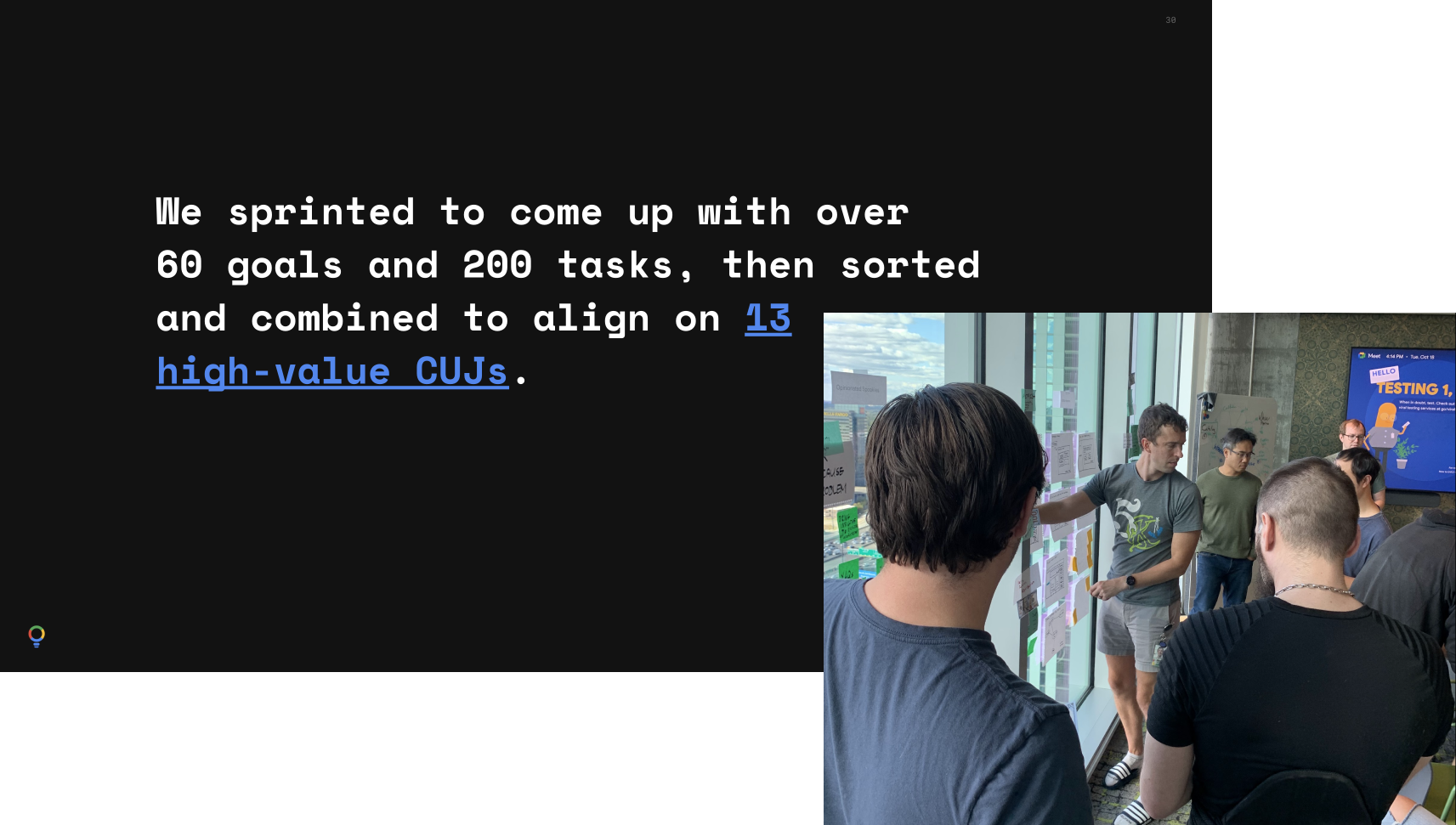
To delve deeper into potential solutions and ensure alignment across teams, I collaborated with cross-functional partners (XFN) from engineering, product management, and research to conduct a design sprint. Our focus remained on addressing the Critical User Journeys (CUJs) identified earlier. During this intensive sprint, we engaged in ideation sessions to generate a wide range of potential solutions for each CUJ, encouraging diverse perspectives and creative thinking. We then categorized similar CUJs and prioritized them based on user value and frequency of use, ensuring our efforts were directed towards the most impactful improvements.
Prioritization
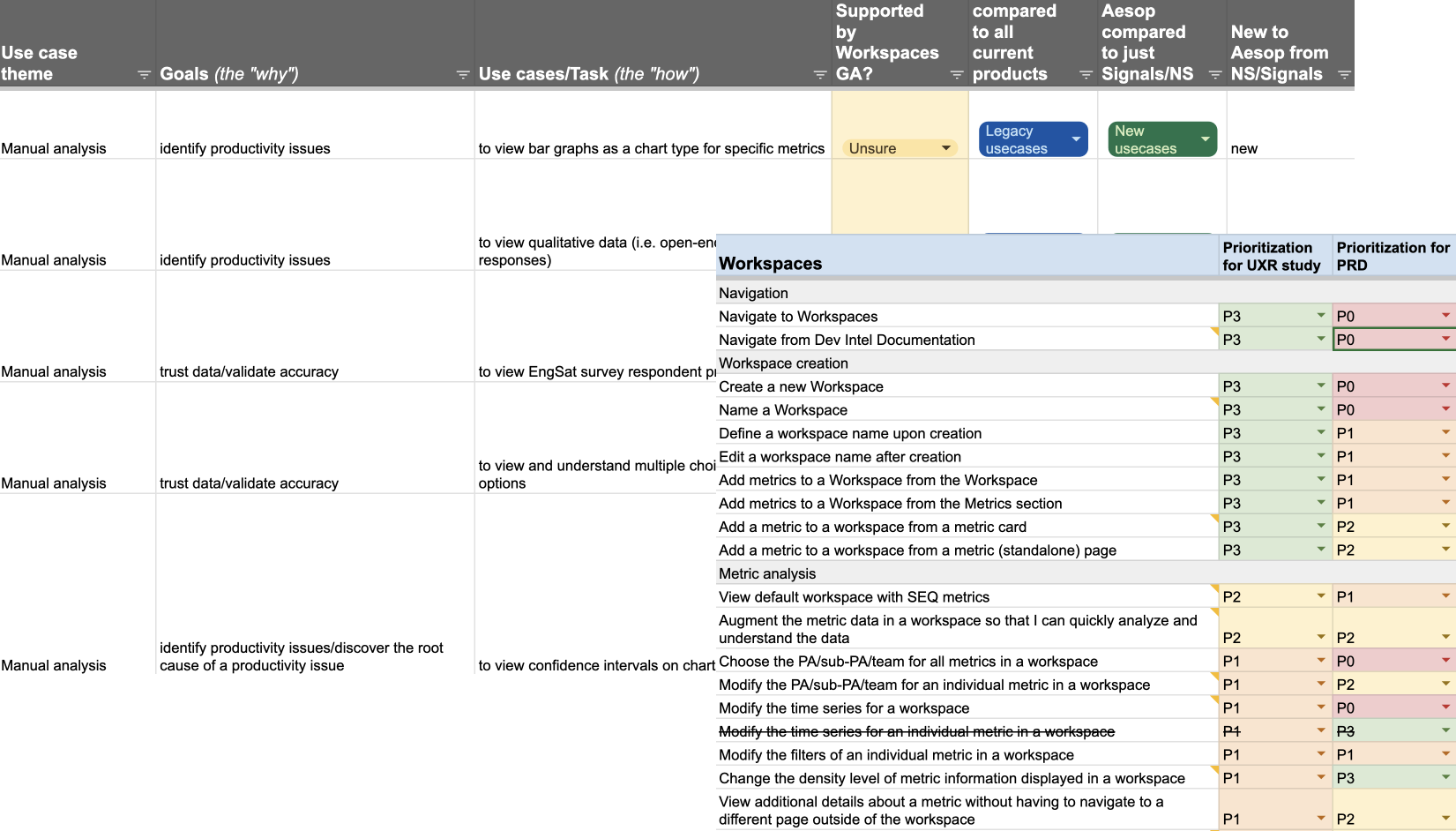
With the high-level Critical User Journeys (CUJs) defined, I worked closely with product management, engineering, and our UX team to translate these journeys into features. We broke down each CUJ into individual tasks, identifying specific user needs. This involved deconstructing each CUJ to understand the user workflow comprehensively. We then brainstormed and documented potential features to enhance the user experience. To guide our decisions, we established a prioritization framework considering user value, technical feasibility, and business goals. Throughout, we ensured ongoing communication and collaboration between PM, UX, and Eng, ensuring alignment on prioritized features. This collaborative approach ensured our efforts were focused on delivering the most valuable and impactful features to our users.
Designing the experience
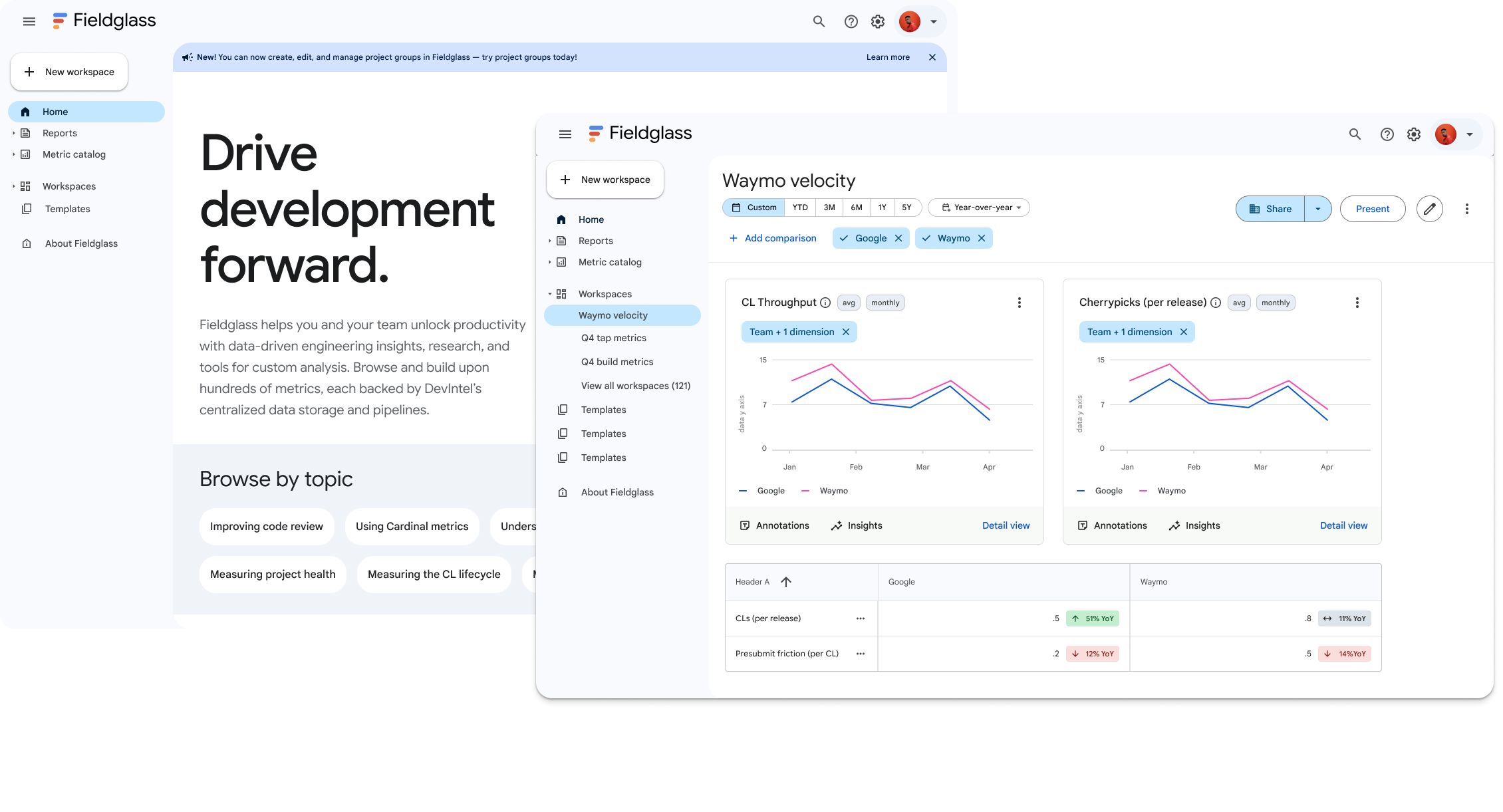
In under 7 months, the team built and launched a 0-1 product that drove sweeping changes across all of Google's businesses
The results
The development of Fieldglass has achieved significant user growth, exceeding expectations by reaching 55,000 monthly active (internal) users. This success is attributed to a user-centric design approach, demonstrated by the creation of numerous design briefs, prototypes, and support resources to ensure a smooth transition and user satisfaction. Fieldglass strategically aligns with the overarching mission by providing a unified platform for productivity measurement. Furthermore, the consolidation of functionalities reduces costs, streamlines workflows, and has resulted in over 225,000 saved engineering hours, ultimately leading to substantial efficiency gains for all of Google. This product is currently in Beta as an external offering for our cloud customers.